
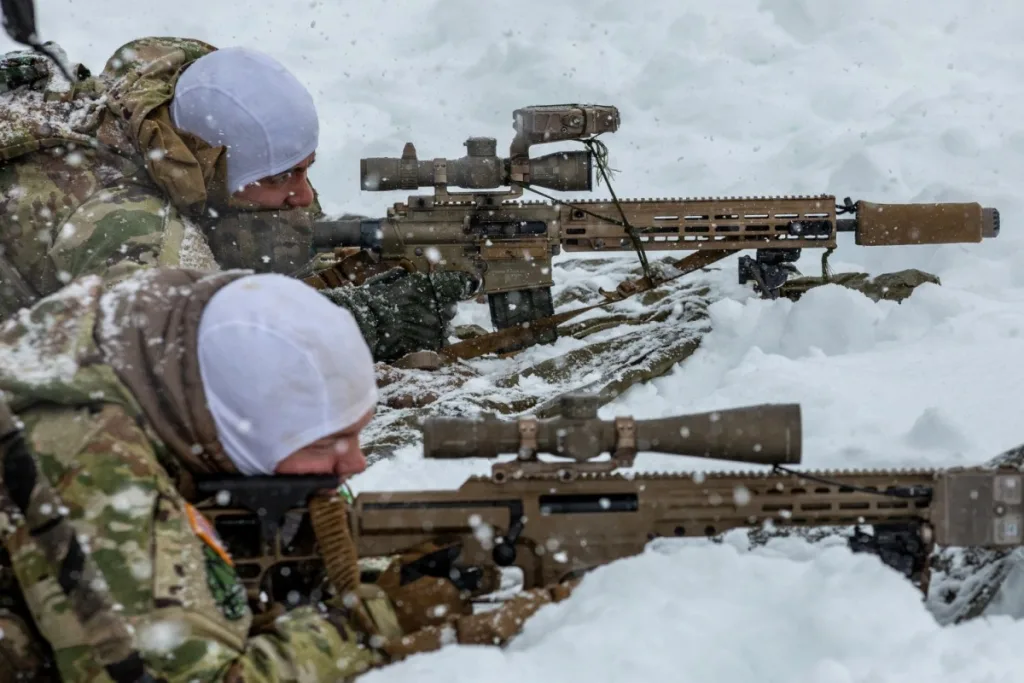
Gun optics help shooters aim, see, and confirm shots more effectively, but each sight type solves a different problem. This guide is the hub for choosing a direction before you move into a specific optic guide, product roundup, or rifle setup article.
Start with the firearm’s job. A carry pistol, defensive carbine, deer rifle, shotgun, and precision rifle all ask different things from an optic. The right choice depends on distance, lighting, weight, speed, mounting, and how much precision the shot requires.
Choose The Optic By Job
| Use case | Common direction | Next guide |
|---|---|---|
| Close-range handgun or carbine | Simple sights or a non-magnified electronic sight | Red dot sights |
| Fast rifle or shotgun aiming | Large-window electronic sight | Holographic sights |
| General-purpose rifle from close to moderate distance | Low-power variable optic | LPVO scopes |
| Field rifle, hunting rifle, or supported range work | Medium or high-power rifle scope | MPVO and HPVO rifle scopes |
| Reticle holds at changing magnification | Scope with the right focal-plane behavior | First focal plane scopes or second focal plane scopes |
| Product shopping | Roundup or hands-on review | Best LPVO scopes or Primary Arms SLx LPVO review |
Optic Decisions That Matter
- Distance: close-range speed and long-range detail usually require different optics.
- Weight: a heavy optic and mount can make a handy rifle feel slow.
- Mounting: height, eye position, torque, and rail fit affect whether the optic works correctly.
- Reticle: choose a reticle you can see, understand, and verify with your ammunition.
- Durability: recoil, weather, travel, and regular practice can expose weak mounts or poor zero retention.
- Training: no optic replaces a confirmed zero, safe gun handling, and practice from realistic positions.
Common Gun Optic Mistakes
- Buying more magnification than the firearm’s real use requires.
- Choosing by brand or looks before checking mount height, weight, and zeroing needs.
- Trusting holdover marks before confirming them at the range.
- Ignoring backup sight plans, spare batteries, lens protection, and maintenance.
Gun Optics FAQs
What optic should a beginner put on a rifle?
For close-range training, start simple. Iron sights or a red dot keep the rifle easy to understand. If the rifle needs more distance capability, move to an LPVO or rifle scope after you know the use case.
Do gun optics need to be zeroed?
Yes. Any aiming optic needs to be mounted correctly and zeroed with the firearm and ammunition you plan to use. Recheck zero after travel, hard impacts, optic removal, or mount changes.
Is a red dot better than a scope?
A red dot is usually faster at close range. A scope is usually better when the shooter needs magnification, target detail, or more precise aiming at distance.


